
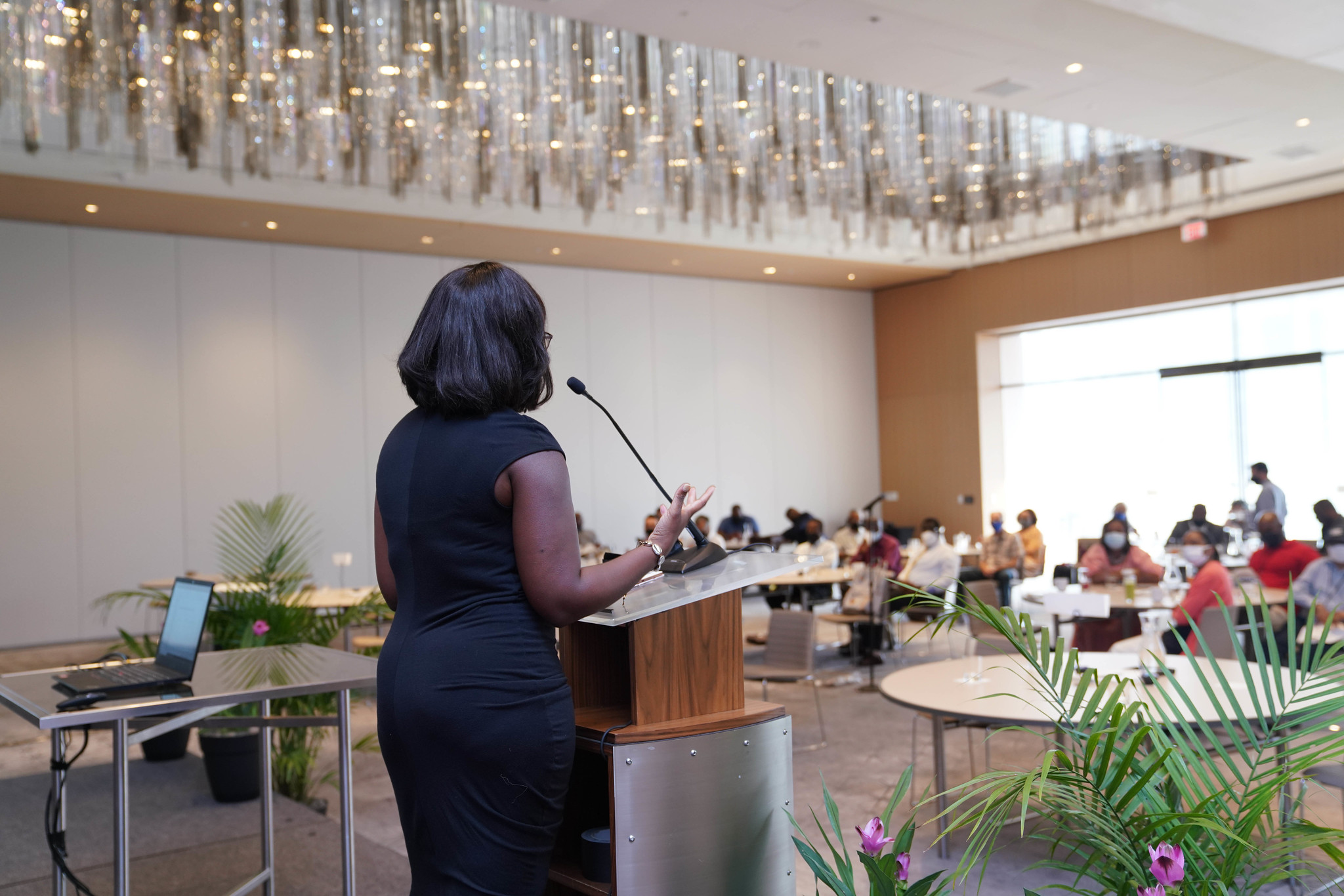
Our faculty members and affiliates are integral to our mission of studying the causes and consequences of inequality and developing remedies for these disparities and their adverse effects.
Diversity Initiative for Tenure in Economics (DITE)
The Diversity Initiative for Tenure in Economics (DITE) is a dedicated program aiming to enhance diversity within the realm of economics.
Through this initiative, we support and uplift scholars from diverse backgrounds, fostering an inclusive academic community.
Faculty Affiliates
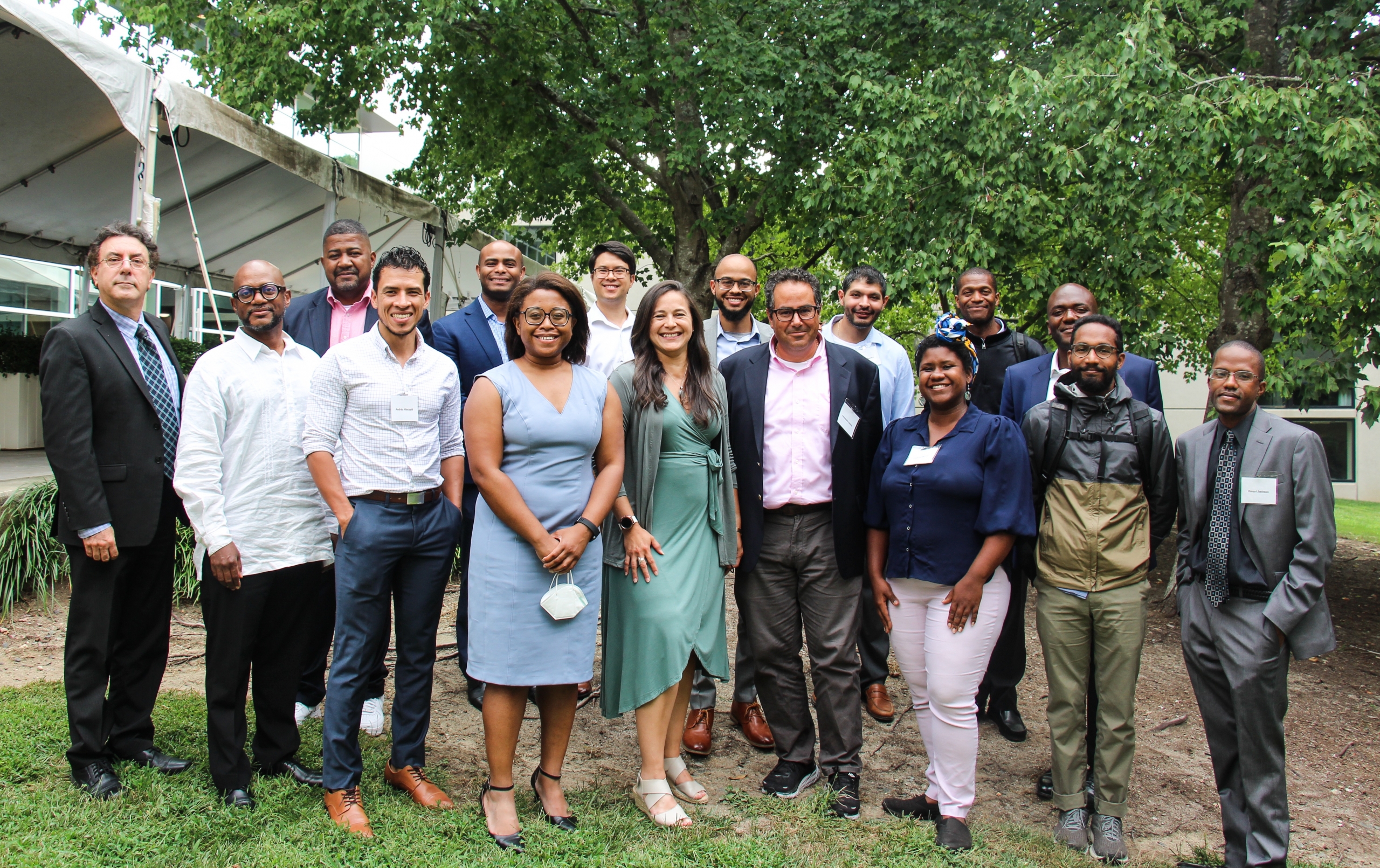
Our faculty affiliates engage in equity-related research initiatives and actively contribute to projects within the Cook Center’s research themes.
Jay A. Pearson
Jay A. Pearson’s research examines how policy sponsored structural inequality influences social determination of health. He is particularly interested in the health effects of conventional and non-conventional resources associated with racial assignment, ethnic identity, national origin, immigration, and cultural orientations.
Jean Beaman
Jean Beaman (she/her) is Associate Professor of Sociology in the Ph.D. Program at the Graduate Center of the City University of New York (CUNY). She was formerly on faculty at University of California, Santa Barbara and Purdue University. Her research is ethnographic in nature and focuses on race/ethnicity, racism, international migration, and state violence in both France and the United States. She is author of Citizen Outsider: Children of North African Immigrants in France (University of California Press, 2017), as well as numerous articles and book chapters. She is also an Associate Editor of the journal, Identities: Global Studies in Culture and Power and a Corresponding Editor for the journal Metropolitics/Metropolitiques. She was a 2022-2023 fellow at the Center for Advanced Study in Behavioral Sciences at Stanford University, and a Co-PI for the Mellon Foundation Sawyer Seminar grant, “Race, Precarity, and Privilege: Migration in a Global Context” for 2020-2022.
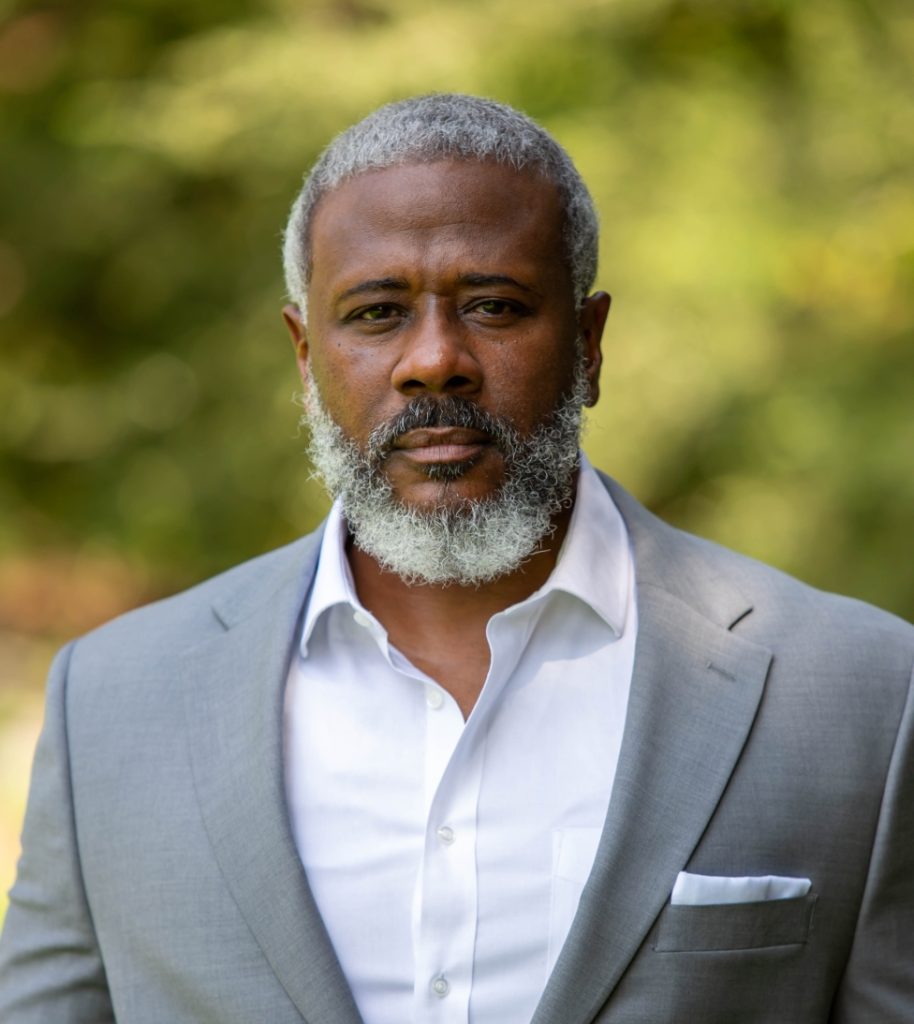
Jim C. Harper, II
Dr. Jim C. Harper, II, a native of Mount Olive, North Carolina, has dedicated his career to teaching and inspiring others through lessons of history. After serving in the United States Marine Corps, he earned his Bachelor of Arts and Master of Arts degrees in History from North Carolina Central University, and his Ph.D. from Howard University.
As a visionary and forward-thinking executive leader, he has a passion for orchestrating transformational initiatives to create engaging, relevant programs, increasing outreach to the community and campus at large, and fostering a collaborative approach to educating students.
He has been employed at North Carolina Central University for over two decades, serving as department chair for over a decade. Currently, he serves as Interim Associate Provost and Dean at the School of Graduate Studies at North Carolina Central University, and he is also a faculty affiliate with the Samuel Dubois Cook Center.
Dr. Harper is the recipient of multiple teaching and service awards, including the University of North Carolina System’s Board of Governors Excellence in Teaching Award, the North Carolina Central University Excellence in Teaching Award and the Colonel Charles Young Trailblazer Award, which recognizes distinguished individuals who have demonstrated outstanding service and commitment to the community, leadership, and youth.
Dr. Harper has published a number of books, chapter, articles, and digital research projects. He recently published a co-authored manuscript With Faith in God and Heart and Mind: A History of Omega Psi Phi Fraternity, Inc. (UNC Press 2024).
Dr. Harper’s research interests include African American and African education. He has published the book Western Educated Elites in Kenya, 1900–1963: The African American Factor. Harper has served as lead editor of Topics in the African Diaspora independence movements in the 20th century. Harper has also published a number of journal articles and book chapters.
In addition to the previously mentioned scholarly work, Dr. Harper is also a dedicated public historian. He has completed several public history research projects, including two documentaries entitled 100 Years of Brotherhood and Service: The Beta Phi Chapter, Omega Psi Phi Fraternity, Inc. and The Mighty Sixth District Omega Psi Phi Fraternity, Inc.: Shapes History; a Digital Mapping Oral History Project in Durham, NC; Durham Memories in the Finding Freedom through Entrepreneurship: Durham’s Black Wall Street; the Diversity Workforce Oral History Project with the National Parks Service. He also produced the Grand Reflections Oral History Project of the Grand Basilei of Omega Psi Phi Fraternity, Inc. He is currently working on the Sixth District Oral History Project, where he serves as the director and is collecting video oral interviews of fraternity members with 50 or more years of membership in the fraternity in the chapters in North and South Carolina.
As a scholar, teacher, and public historian, Dr. Harper seeks to expand the use of 21st century technology and historical research methods to engage and inspire students, colleagues, and the public.
Joaquín Alfredo-Angel Rubalcaba
Faculty Affiliate; Policing Enforcement and Justice
Assistant Professor, UNC Chapel Hill
Participation in DITE: Cohort 11/12 Fellow
As an assistant professor in the Department of Public Policy at UNC-Chapel Hill, Joaquín Alfredo-Angel Rubalcaba’s research examines the intersection of health, labor, and education economics and contemporary policy issues that generate disparities along the lines of race, ethnicity, gender, immigration status, and class. He earned his Ph.D. in Economics from the University of New Mexico as a RWJF doctoral fellow and is affiliated with the Native American Budget and Policy Institute. Dr. Rubalcaba is also a faculty fellow at the Carolina Population Center at UNC-Chapel Hill, where he explores the effects of public policy on the overall socioeconomic well-being of immigrant communities, including issues like labor dynamics in mixed-status households, local policing practices targeting migrant communities, and health outcomes.
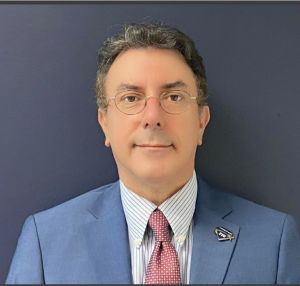
Jorge Zumaeta
Dr. Jorge N. Zumaeta is a distinguished researcher with a primary focus on socioeconomic development, applied econometrics, equitable growth, social equity, economic policy, and policy assessment. With an impressive 20-year career as a research economist, he has demonstrated remarkable success by publishing 51 significant research studies and co-authoring an additional 62 project evaluations and analyses. Dr. Zumaeta’s expertise extends beyond academia, as he has provided invaluable consulting services in the development of state and local guidelines and performance measures for workforce development programs.
Before assuming his current role as the Senior Director at Florida International University – Academic Planning and Accountability, Dr. Zumaeta held the position of Regional Economist at the Florida Department of Labor, where he made notable contributions to economic analysis and policy evaluation. His exceptional academic achievements have been recognized through his appointment as a Fulbright Research Scholar in Economics. Dr. Zumaeta holds a BA and MS in Economics from Florida Atlantic University, and he further advanced his education by earning a Ph.D. from Tilburg University.
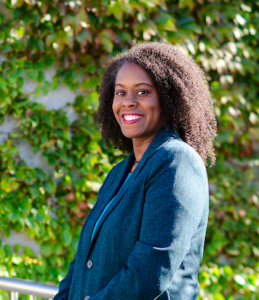
Kisha N. Daniels
Kisha N. Daniels has worked extensively in the areas of teaching and learning with children, public school teachers, administrators, and university students for over 25 years. She holds a BA in elementary education, master’s degrees in school counseling and administration, a specialist certification in curriculum and instruction, and a doctoral degree in educational leadership from the University of North Carolina at Chapel Hill. As a teacher and administrator in large, urban school districts, she has devoted her work to utilizing and researching engaging curriculum that supports diverse learning styles. During her academic tenure, she was Associate Professor of Education Leadership and has held joint appointments as Director for the Office of Community Service Learning and the Office of Faculty Professional Development and was the Principal Investigator (Education Core) of a National Institute of Health P20 grant which focused on increasing underrepresented populations to pursue cardio-metabolic research careers.
Kristen Cooksey Stowers
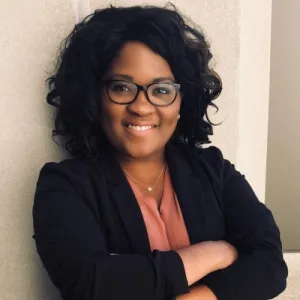
Dr. Kristen Cooksey Stowers is an Assistant Professor in the Department of Allied Health Sciences at the University of Connecticut, a fellow with the UConn Health Disparities and Sustainable Global Cities Institutes, and Rudd Center for Food Policy and Obesity resident faculty affiliate. She has a strong interdisciplinary background in health equity, agricultural economics, public policy, and medical sociology. Her program of research focuses on reducing inequities in diet-related health outcomes by improving macro- and micro-level food environments through sustainable policy solutions.
She conducts community-engaged and mixed methods research to examine: (a) the impact of food swamp environments on racial, geographic and socioeconomic disparities in diet-related health outcomes; (b) the potential of inclusive public policy processes (e.g., zoning) to prevent disparities in diet-related health status regardless of racial/ethnic minority and citizenship status; and (c) the influence of micro-level food environments (e.g., food pantries, family child care homes) on health risks in food-insecure populations, communities of color, and other historically marginalized groups.
Dr. Cooksey Stowers’ research has been funded by NIH (i.e., NIA, NHLBI), the USDA, the Food Trust Center for Healthy Food Access, the Robert Wood Johnson Foundation, and the Reinvestment Fund. Her leadership experience includes service with the W.K. Kellogg Foundation and an appointment as a Public Service Leader Scholar with the USDA in Washington, D.C. Since coming to Connecticut in 2016, she has worked with community partners and residents aiming to improve grocery store access in the North Hartford Promise Zone. She also serves as a board member of the Connecticut Food Bank advising on their Hunger to Health initiative with health care organizations throughout the state. She mentors both undergraduate and graduate students.
Kunfeng Pan
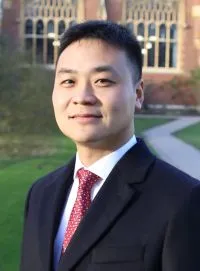
Kunfeng Pan is an Associate Professor in the School of Education at Renmin University of China. His recent research focuses on poverty alleviation and education inequality with a focus on the role of higher education institutions in promoting rural development in poverty-stricken areas and bridging social inequalities. He has also focused on the inequality in parenting worldwide, and the enhancing family wellbeing policy. He serves as a consultant expert in the planning department at the ministry of education of China. He has his Ph. D in Economics of Education from Peking University and a B.S. in Physics from Peking University. He was a visiting professor at Cook Center at Duke University for the 2019-2020 academic year and taught a Duke Immerse course named China and Higher Education Access. He has also been a visiting professor at the University of Cambridge in the UK, and Hokkaido University in Japan.