The Samuel DuBois Cook Center is a scholarly collaborative that studies the causes and consequences of inequality and develops remedies for these disparities and their adverse effects.
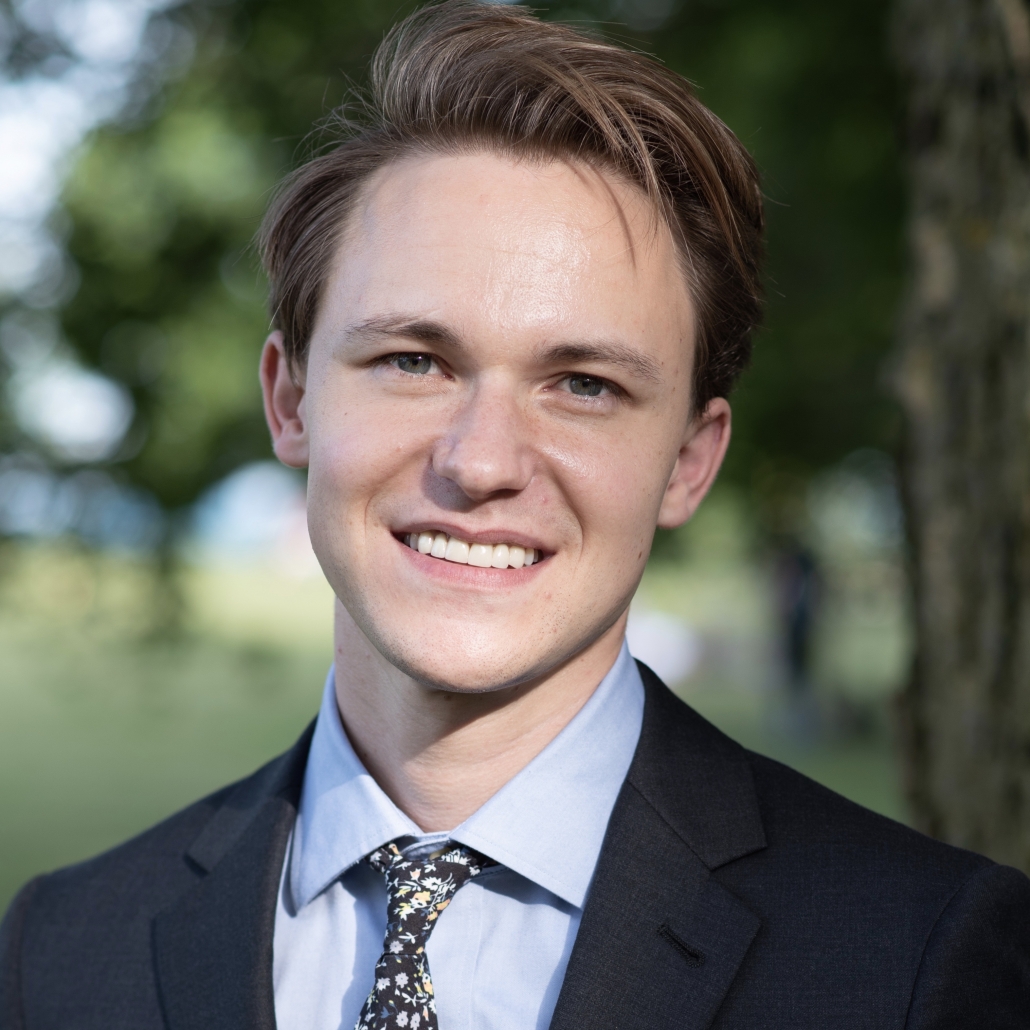
The University of North Carolina Press announced a new book, With Faith in God and Heart and Mind: A History of Omega Psi Phi Fraternity. Among the authors is Associate Dean of Graduate Studies at North Carolina Central University, Jim C. Harper II. Harper is a Cook Center Faculty Affiliate and Inequality Studies Instructor, having…
Faculty Affiliate Fenaba Addo, PhD, an Associate Professor of Public Policy at the University of North Carolina at Chapel Hill, was recently interviewed about her work on race and policy by The Washington Center for Equitable Growth. Dr. Addo spoke about her lived experiences with student debt and the racial wealth divide, the relationship between…
When Kelly Padalino was applying to college, her plan was simple: focus on her academics but continue dancing. Her decision to attend Duke set her on a path that combined her love of the arts and public policy, and later, a new understanding of inequality.
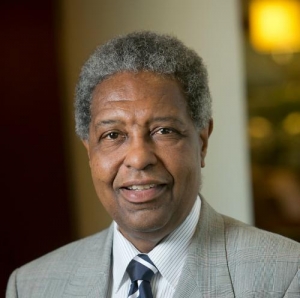
Founding Director William A. Darity Jr. was interviewed for a Forbes Talk by Ali Jackson-Jolley to discuss what economic freedom looks like in 2026. Dr. Darity is one of the leading voices in academia advancing the case for Black reparations in the U.S. He co-authored From Here to Equality: Reparations for Black Americans in the…
A recent feature highlighted how Kisha N. Daniels, associate professor of the practice in education, continues to expand the reach of her service‑learning course, The Critical Pedagogy of Hip Hop, through community‑centered partnerships with Durham Public Schools. The story follows a semester‑long collaboration between Daniels’ Duke students and 11th graders at Jordan High School, culminating…
A study coauthored by faculty affiliates Joaquin Alfredo‑Angel Rubalcaba and Alberto Ortega explore the effectiveness of worker‑driven social responsibility programs on infant health outcomes in migrant farmworker communities. Published in Demography, the research examines whether the Fair Food Program, a worker‑rights initiative supported by corporate premiums, has had measurable health impacts on the communities it…